
How QR Codes Are Transforming Railway Travel in India
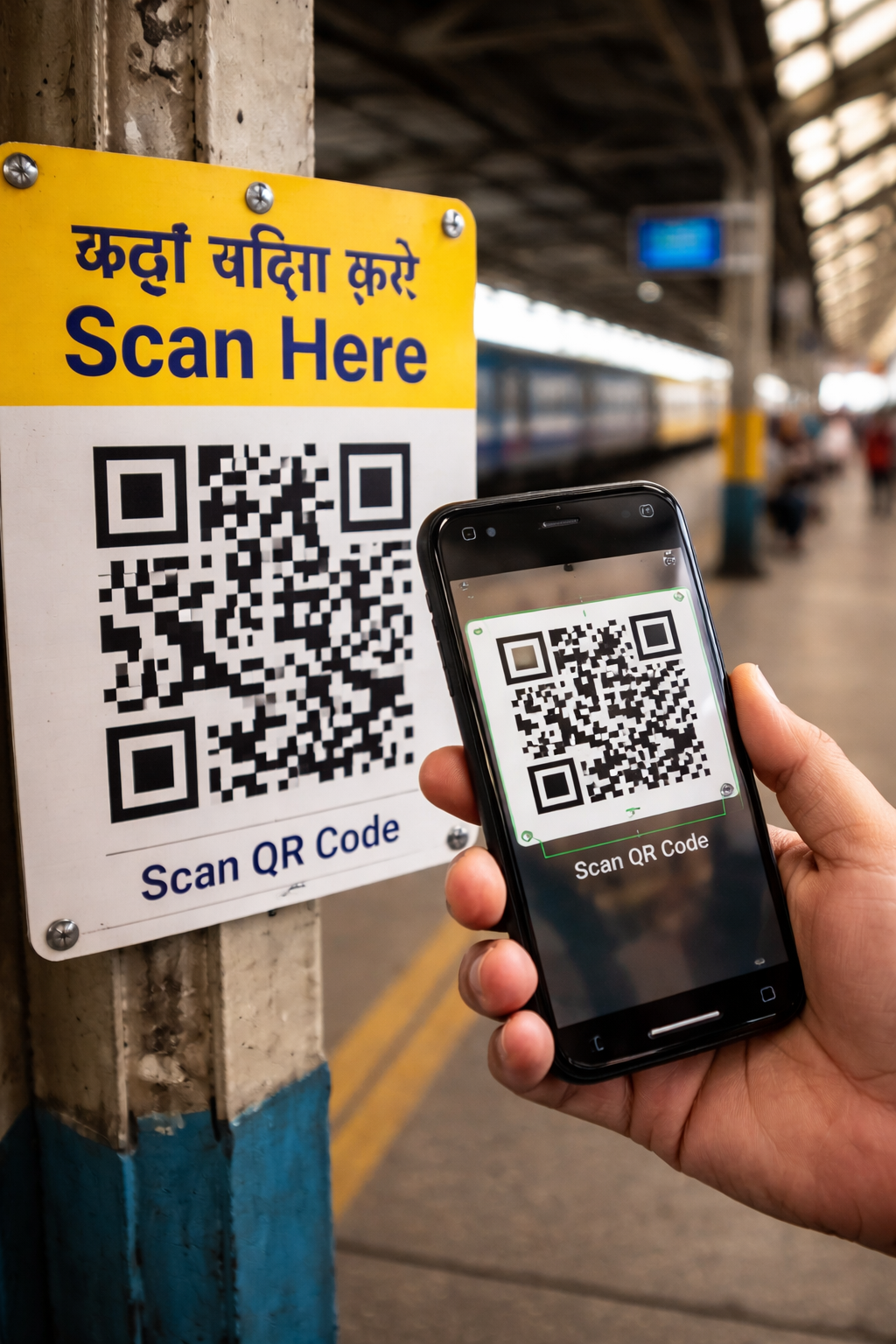
Indian Railways is one of the largest railway networks in the world, serving millions of passengers every day. With such a huge number of travelers, managing ticketing and station services efficiently has always been a challenge. In recent years, QR code technology has started transforming how passengers interact with railway services, making travel faster, smarter, and more convenient.
From booking tickets to navigating stations, QR codes are helping modernize railway travel across India.
What Are QR Codes in Railway Services?
A QR (Quick Response) code is a type of scannable barcode that stores information digitally. Passengers can scan these codes using their smartphones to access services instantly.
In railway systems, QR codes are now used for:
- Digital ticket booking
- Station information access
- Faster ticket verification
- Platform navigation
- Paperless travel
This simple technology eliminates many traditional processes that once required standing in long queues.
QR Codes and Digital Train Ticketing
One of the biggest improvements brought by QR codes is in ticket booking and verification. Instead of printing physical tickets, passengers can now store their tickets digitally on their phones.
With QR-based ticketing:
- Travelers scan a code at the station
- Book tickets through mobile apps
- Show digital tickets during ticket checks
- Avoid paper tickets completely
This approach not only saves time but also promotes paperless travel.
Reducing Long Ticket Queues
Long lines at ticket counters have always been a common problem at busy railway stations. QR code systems help reduce this issue by allowing passengers to access ticket booking services directly from their smartphones.
Passengers can simply:
- Scan a station QR code
- Open the ticket booking interface
- Book an unreserved ticket within minutes
This process significantly reduces waiting time and improves the overall passenger experience.
Helping Passengers Navigate Railway Stations
Large railway stations can often be confusing, especially for first-time travelers. QR codes placed around stations can help passengers quickly access important information.
By scanning these codes, travelers can find:
- Platform information
- Train schedules
- Ticket booking options
- Station maps
- Nearby services
This makes station navigation much easier and more efficient.
Encouraging Contactless Travel
After the pandemic, contactless services have become increasingly important. QR codes support touch-free interactions, allowing passengers to access railway services without physical contact.
Benefits include:
- Safer travel experience
- Reduced crowding at counters
- Faster service access
- Improved hygiene standards
This shift toward contactless travel is an important step in modernizing railway infrastructure.
Benefits of QR Codes for Railway Passengers
QR technology offers several advantages for both passengers and railway authorities.
1. Faster Ticket Booking
Passengers can book tickets quickly without waiting at ticket counters.
2. Paperless Travel
Digital tickets reduce paper usage and make travel more eco-friendly.
3. Convenience
Everything from ticket booking to station information can be accessed from a smartphone.
4. Time Saving
Passengers spend less time in queues and more time focusing on their journey.
The Future of QR Technology in Indian Railways
As digital infrastructure continues to grow, QR codes will likely play an even bigger role in railway services. Future developments may include:
- Smart station navigation systems
- Integrated travel apps
- Digital payment systems
- AI-powered passenger assistance
These innovations will help create a more efficient and traveler-friendly railway system.
Final Thoughts
QR codes are gradually transforming the way passengers experience railway travel in India. By simplifying ticket booking, reducing queues, and enabling digital access to information, this technology is making train travel more convenient than ever before.
As more stations adopt digital systems, QR-based services will continue to improve the overall travel experience for millions of passengers across the country.